
A gap year does not mean your education is over. Many students step away from college due to financial pressure, health issues, family responsibilities, relocation, or work commitments. The good news is that you can restart your graduation legally—provided you follow the right steps and choose a recognized pathway.
This guide explains how to resume your degree after a gap year, what “legal” means in this context, what documents you’ll need, and how to avoid common mistakes that cause students to waste time or enroll in the wrong program.
What “Restarting Legally” Actually Means
When we say “restart graduation legally,” we mean:
- You pursue your education through a government-recognized university/HEI
- The program follows applicable UGC regulations and recognition frameworks
- Your admission, exams, marksheets, and degree are verifiable and accepted for employment/higher studies
- For ODL/Online modes, you confirm the institution/program status through official portals
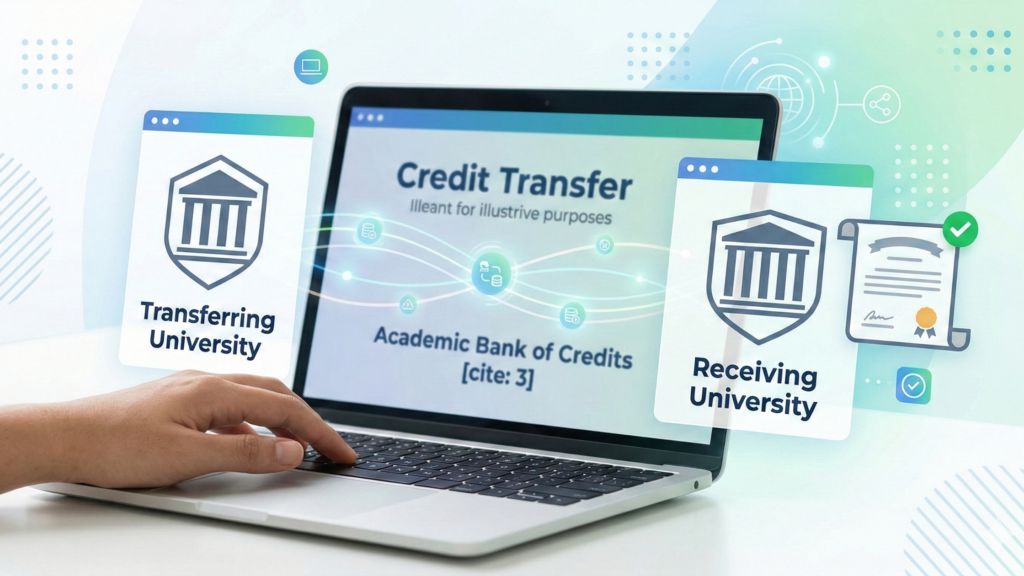
If you’re exploring credit-based mobility and continuity, the Academic Bank of Credits (ABC) is a useful reference point for understanding how credits can be stored and used across eligible academic journeys:
This matters because learners with gap years are often targeted by misleading claims. A safe rule is to verify recognition and program entitlement first, before committing money or time.
Who Should Consider Restarting Their Degree After a Gap?
You may be a good fit if you fall into one of these categories:
- You completed 1–4 semesters but discontinued
- You studied for a year or two but could not complete the final year
- You started working and paused education
- You have a long gap and want a recognized degree for career progression
- You want a structured route like Graduation in one year based on your eligibility and prior academic status (as per applicable university norms)
Step-by-Step: How to Restart Graduation After a Gap Year
1) Collect and organize your academic history
Before you choose any pathway, gather:
- All semester/year marksheets
- Enrollment number and university details
- Transfer/Leaving certificate (if available)
- Any transcript/statement of marks (helpful for evaluation)
If your older documents are hard to verify, you can also learn about verification ecosystems like the National Academic Depository (NAD), designed as a digital storehouse for academic awards and verification:
2) Verify the recognition status (ODL/Online learners must do this)
If you plan to study through distance/ODL/online routes, verify institutional and program status using the UGC Distance Education Bureau (DEB) portal. This step protects you from enrolling in programs that are not properly listed or recognized:
3) Understand credits and continuity (don’t repeat what you’ve already done)
Many universities follow a credit-based structure. Under frameworks like CBCS, subjects carry credits, and your previously completed learning can sometimes be evaluated for alignment/continuation depending on university rules and documentation.
For a basic understanding of how credits are structured in many programs, you can refer to the UGC’s CBCS guideline document:
Important note: approval depends on the university’s evaluation and policies. Never assume automatic transfer or direct entry without a formal review.
4) Choose the right degree path based on your profile
Your best option depends on:
- How much you completed earlier (FY/SY/partly completed)
- Whether you have a gap of 1 year or many years
- Your stream and career goal (commerce, management, IT, engineering, etc.)
- Whether you want regular, online, or ODL mode (as applicable)
If you want to review available degree options in one place, you can explore programs.
Common Legal-Safety Checks Before You Take Admission
Use this checklist:
- Confirm your university/program status on UGC DEB (for ODL/online)
- Avoid anyone promising “guaranteed” approvals or instant degrees without process
- Ensure you will receive official marksheets and a verifiable degree
- Get clarity on exam format, documentation, and timelines before paying fees
Mistakes Students Make After a Gap Year (And How to Avoid Them)
Choosing a shortcut without verification
Always verify recognition first, especially for ODL/online programs.
Not using past education smartly
If you have completed semesters, ask for an evaluation route rather than restarting from scratch.
Missing documents or unclear academic records
Keep all marksheets ready. If credits aren’t clearly mentioned, transcripts help.
Repeating the same keyword strategy on your site
Keep this post focused on gap-year restart and legal steps, while your primary pages target their dedicated keywords.
How Upgyan Academy Helps Learners Restart After a Gap
If you’re unsure which legal pathway fits your situation, Upgyan Academy helps you with:
- Profile assessment (gap duration, completed semesters, stream)
- Documentation guidance
- Program selection based on your goals
- Clear next steps to restart and complete your degree through recognized routes (as applicable)
You can also read the detailed reference guide here:
https://upgyanacademy.com/complete-guide-graduation-in-one-year/
FAQs
Is it possible to restart graduation after 5–10 years?
Yes, many learners restart after long gaps. Eligibility depends on your previous academic record, documents, and the university/program rules.
How do I check if an online/ODL program is recognized?
Use the UGC Distance Education Bureau (DEB) portal and verify the institution/program listing.
What if I don’t have all my old documents?
Try to obtain duplicates/transcripts from your previous institution. NAD may also be relevant depending on your record availability.
Conclusion

A gap year is not a full stop—it’s a pause. If you restart your graduation the right way, with verified recognition and proper documentation, you can move forward confidently without risking your time or career goals. Start by collecting your records, verifying recognition (especially for ODL/online), and choosing a pathway that fits your profile.
To see available options in one place, you can explore programs and proceed with a structured plan. If you’re restarting in the commerce stream, you can also review the program here:
https://upgyanacademy.com/b-com-degree/
Address: Visit our Jogeshwari, Mumbai office for free career counselling.